🏥 Health
Mass General Brigham Model Projects 19% More
E
Editorial Team
2026-10-21
⏱ 1 min read min read
👁 31 views
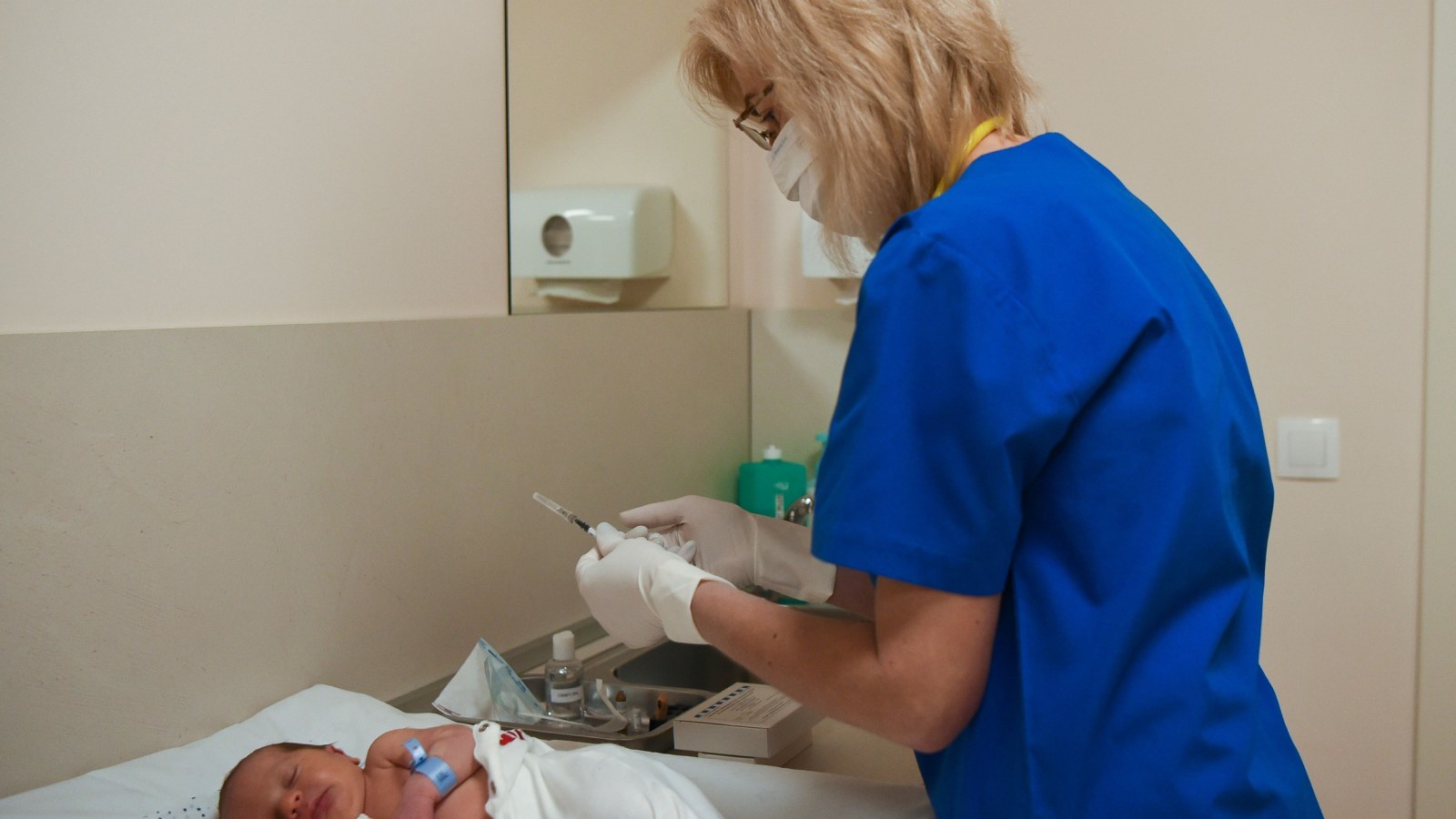
Delaying the first hepatitis B shot until babies are 2 months old could increase chronic hepatitis B infections acquired by age 20 by about 19%, according to a computer model from researchers at Mass General Brigham in Boston. The study was published in the Annals of Internal Medicine on October 19.
The researchers also modeled a shared decision-making approach, in which parents and doctors decide together whether a newborn gets the shot. That approach is now part of federal guidance, and the model projected it would raise chronic infections by about 83%. The findings are projections from a model, not observed cases, so the results depend on the assumptions built into it, such as how many families would delay or skip the vaccine.
The hepatitis B vaccine has long been given to newborns in the United States, starting in the first hours or days of life. Doctors recommend early vaccination because infants infected with the virus are much more likely than adults to develop a chronic infection, which can lead to liver damage and liver cancer later in life. The study's authors looked at what could happen to infection rates if the first dose is pushed back. The article I could access did not give details such as the lead authors, the size of the modeled population or the number of additional cases behind the percentages. Parents with questions about their baby's vaccine schedule should talk to their pediatrician. The findings were reported by inkl.